Ensuring students have access to safe, clean hydration is a top priority for any educational institution. Poor water quality can lead to widespread health issues, absenteeism, and a breakdown of trust with parents. This is a massive pain point for school administrators everywhere.
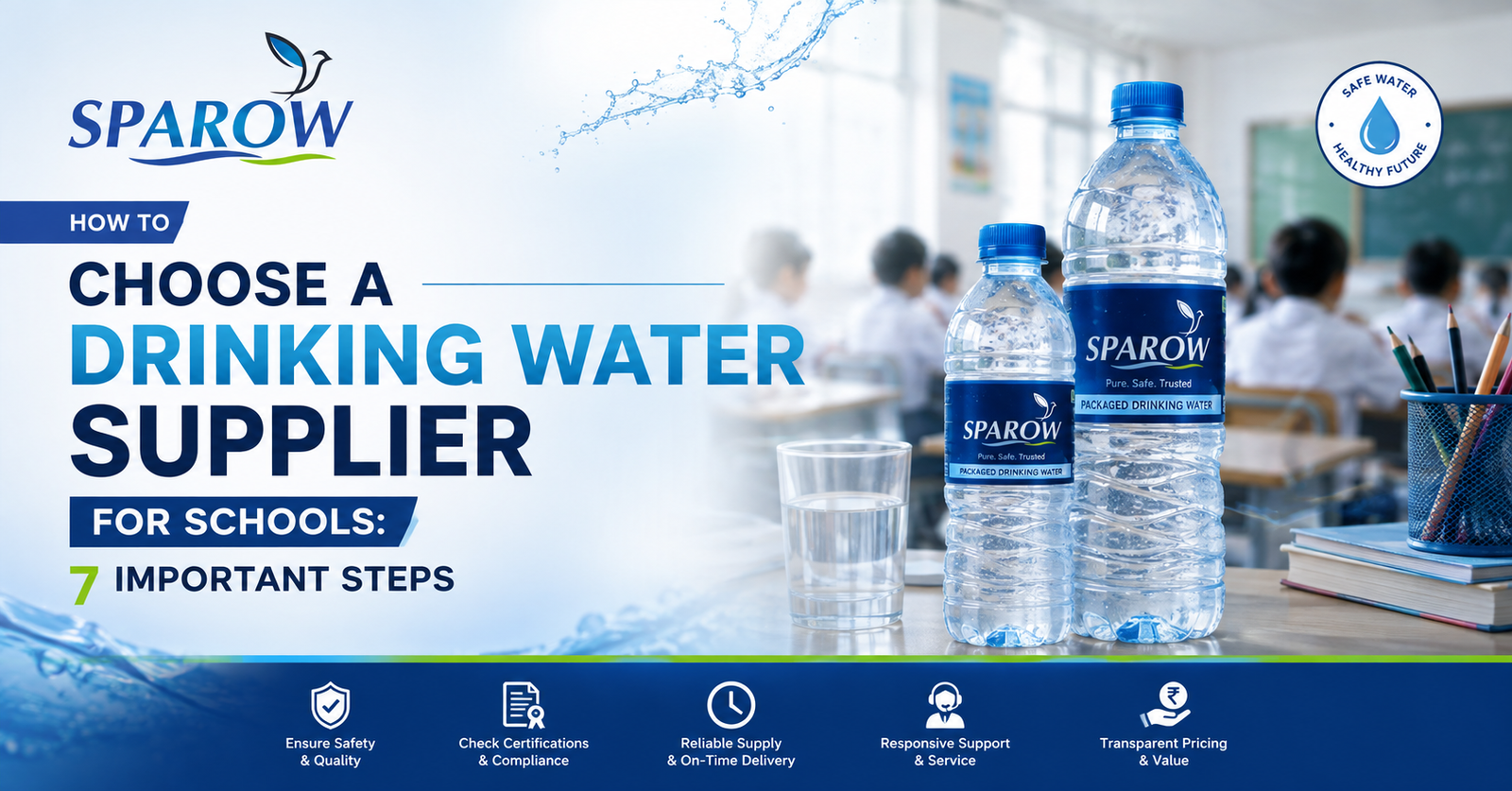
If you are wondering how to choose a drinking water supplier for schools, you are certainly not alone. The process requires careful vetting, especially in regions with intense summer temperatures. You need a partner who delivers consistently, safely, and transparently.
Managing campus facilities is demanding enough without having to worry about delayed water deliveries or questionable hygiene standards. If you are actively searching for a reliable water can supplier for schools and colleges, it is essential to partner with a team that understands the massive scale of student hydration. Before making a final decision on your vendor, read through these critical steps to ensure your campus stays safe, compliant, and fully hydrated.
In this comprehensive guide, we will break down exactly how to choose a drinking water supplier for schools. We will focus specifically on the unique needs of institutions across Tamil Nadu. Let us dive into the best practices for securing your school’s hydration needs.
Table of Contents
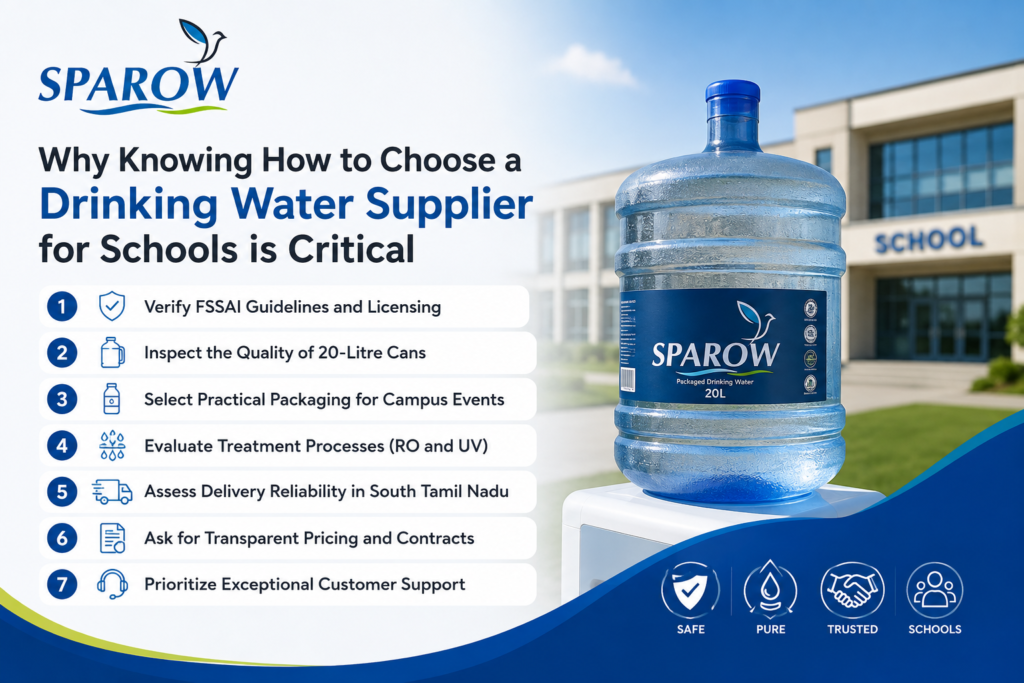
Why Knowing How to Choose a Drinking Water Supplier for Schools is Critical
Children are highly susceptible to waterborne illnesses compared to adults. A school’s water supply directly impacts the health of hundreds or thousands of students daily. This makes vendor selection a critical administrative duty.
In hot climates, students consume massive amounts of water. Schools in cities like Chennai, Coimbatore, Madurai, and even cooler hill stations like Ooty need uninterrupted daily deliveries. A single missed delivery can disrupt the entire school day and cause dehydration.
Furthermore, parents trust schools to provide an environment safer than their own homes. Selecting the right commercial water delivery vendor shields the institution from health-related liabilities. It proves your commitment to student welfare.
1. Verify FSSAI Guidelines and Licensing
Regulatory compliance is your absolute first filter. In India, the Food Safety and Standards Authority of India (FSSAI) governs packaged drinking water entirely. You must never compromise on these strict national standards.
FSSAI guidelines ensure that water is extracted, purified, and packaged under hygienic conditions. They mandate regular water quality testing for microbial and chemical contaminants. A supplier operating without a valid, active FSSAI license is a massive risk to your campus.
Never accept verbal assurances regarding safety standards from a vendor. Always request physical or digital copies of their current FSSAI certifications. Check the 14-digit license number directly on the official FSSAI portal.
The Mandatory Scheme of Testing
Recent updates to FSSAI regulations emphasize a structured “Scheme of Testing” for packaged drinking water. This shifts the focus toward continuous laboratory-backed verification. Compliance now covers product safety, hygiene, source control, and documentation.
Suppliers must conduct monthly testing for microbiological parameters. Chemical parameters, like heavy metals and nitrates, must be tested quarterly. When figuring out how to choose a drinking water supplier for schools, always ask to see these specific lab reports.
2. Inspect the Quality of 20-Litre Cans
The water might be perfectly pure at the processing plant, but dirty packaging will ruin it. Therefore, you must inspect a vendor’s physical inventory carefully. Pay close attention to the condition of their reusable 20-litre water cans.
Are the cans deeply scratched, algae-stained, or structurally deformed? Old, degraded plastic can leach chemicals into the water, especially when transported in the hot Tamil Nadu sun. Cans should look relatively new, clean, and properly sealed.
The hygiene of the delivery trucks also matters immensely. Water cans should never be transported alongside hazardous materials or in filthy truck beds. Ask the supplier about their daily can-washing and sanitization protocols at the plant.
3. Select Practical Packaging for Campus Events
Beyond large 20-litre dispensers, schools often stock smaller individual bottles for sports days, conferences, or canteen sales. When selecting these, the physical bottle design plays a crucial role. This is an often overlooked aspect of how to choose a drinking water supplier for schools.
While unique, complex shapes like hexagonal bottles might look premium, they drive up production costs significantly. These manufacturing costs are ultimately passed directly on to the school budget. Furthermore, fancy designs are less practical for bulk storage and chilling in standard school coolers.
Why Standard Round PET Bottles Win
Stick to suppliers who utilize standard round PET bottles. They are incredibly cost-effective and highly practical for the Indian market. This keeps your hydration budget manageable without sacrificing water quality.
Standard round bottles are also easier to recycle at school facilities. They fit perfectly in student backpack pockets and standard cup holders. Practicality should always beat aesthetics when ordering for hundreds of children.
4. Evaluate Treatment Processes (RO and UV)
You must understand exactly what happens to the water before it reaches your campus. “Filtered water” is a vague marketing term; you need technical specifics. Ask for a step-by-step breakdown of their treatment plant operations.
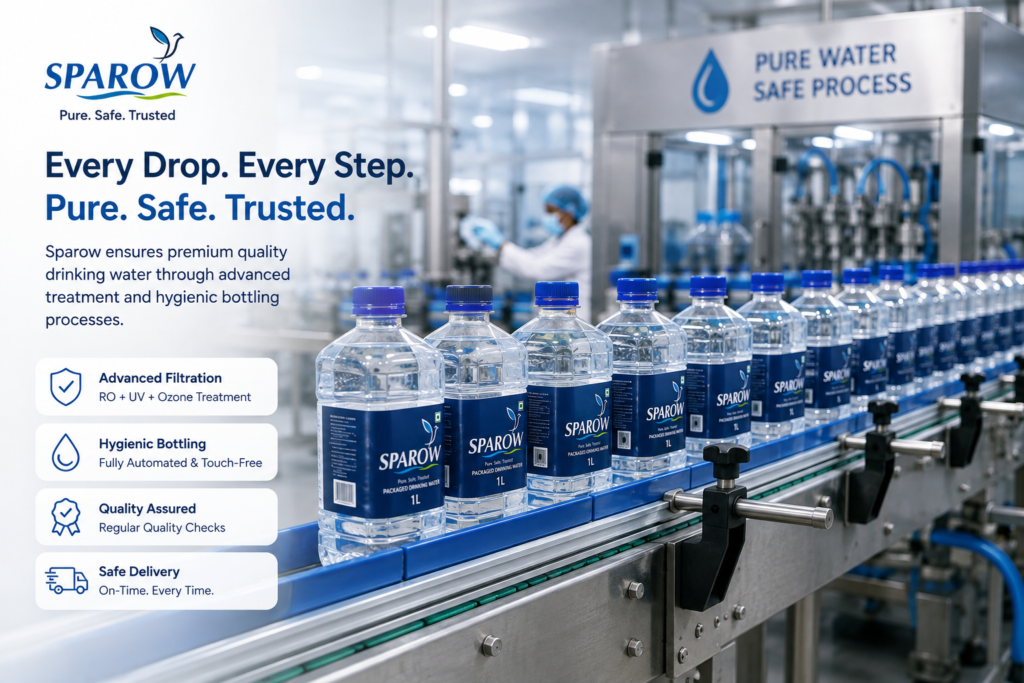
The industry standard for safe packaged drinking water involves Reverse Osmosis (RO). RO systems force water through a semi-permeable membrane, removing heavy metals, dissolved salts, and impurities. This is absolutely essential for groundwater sourced in many parts of Tamil Nadu.
Following RO, the water must undergo Ultraviolet (UV) or Ozonation treatment. UV light neutralizes any remaining bacteria and viruses instantly. Ensure your chosen supplier utilizes both RO and UV technologies to guarantee absolute safety.
5. Assess Delivery Reliability in South Tamil Nadu
Even the purest water is useless if it does not arrive on time before the first bell rings. Delivery reliability is a core pillar when figuring out how to choose a drinking water supplier for schools. Schools operate on tight schedules and simply cannot wait around for late vendors.
Ask potential suppliers about their fleet size, logistics mapping, and backup plans. If a delivery truck breaks down in Salem, how quickly can they dispatch a replacement? Sourcing water locally is generally the best approach to minimize these transit delays.
If your school is in Coimbatore, finding a supplier based in or near the city ensures faster turnaround times. Local suppliers also understand the regional water table and seasonal summer demand spikes. Always prioritize distributors rooted in your specific geographic area.
Handling the daily logistics of an educational institution requires a vendor with a flawless track record and practical solutions, like cost-effective standard round PET bottles for events. Whether you need daily stocking for the cafeteria or hydration stations for a sports tournament, partnering with an experienced water can supplier for schools and colleges eliminates the stress of missing inventory and guarantees that every drop meets strict FSSAI safety standards
6. Ask for Transparent Pricing and Contracts
Budget management is a stark reality for every educational institution. When determining how to choose a drinking water supplier for schools, pricing structures must be heavily scrutinized. However, the cheapest option is rarely the safest for your students.
Negotiate pricing based strictly on your bulk volume requirements. Schools consuming hundreds of litres daily should receive significant discounts compared to retail pricing. Ask if the price per 20-litre can includes offloading directly to your storage areas.
Review the contract terms carefully before signing. Avoid locking into multi-year contracts until the supplier has proven their reliability over a one-month trial semester. Ensure there are clear clauses allowing you to terminate the agreement if hygiene drops.
7. Prioritize Exceptional Customer Support
A great product requires excellent administrative service. Evaluate the vendor’s communication efficiency right from the first inquiry. You need a dedicated account manager, not a generic, unanswered helpline.
Modern communication is a huge plus. Some of the best local suppliers now handle daily adjustments via WhatsApp API for quick, frictionless ordering. If your school hosts an unexpected weekend tournament, you need a vendor who can deliver an extra 500 litres via a quick message.
Invoicing should be clear, digital, and accurate. Schools deal with complex accounting, and messy handwritten bills from delivery drivers cause massive headaches. Look for vendors who utilize modern billing software or custom client portals.
In fact, many top-tier regional suppliers upgrade their administrative systems by partnering with agencies like Reigrow Solutions, the best website design and developer in Coimbatore, to build seamless, user-friendly ordering platforms that make school facility management a breeze.
Conclusion: Mastering How to Choose a Drinking Water Supplier for Schools
Providing clean, safe hydration is a non-negotiable responsibility for educators and administrators. Mastering how to choose a drinking water supplier for schools protects your students, satisfies parents, and streamlines your operations. It is a direct investment in the health of your campus.
Always prioritize FSSAI compliance, robust RO and UV purification, and reliable local logistics. Opt for practical packaging like standard round PET bottles to keep costs reasonable without sacrificing quality. Never compromise on hygiene.
By following this exact guide, administrators in Tamil Nadu can confidently secure the best hydration partners. Take your time, vet thoroughly, and select a supplier that puts student safety first.
FAQs
What is the most important factor when figuring out how to choose a drinking water supplier for schools?
The most critical factor is ensuring the supplier holds a valid, active FSSAI license for packaged drinking water. This guarantees they meet the government’s strict hygiene, purification, and safety testing standards required for safe human consumption.
How many litres of water does a typical school need daily?
Requirements vary based on student count and local climate. On average, a student consumes 1.5 to 2 litres during school hours. A school with 1,000 students should prepare for at least 1,500 to 2,000 litres of water per day.
Why should schools avoid fancy shaped water bottles for events?
Fancy shapes, like hexagonal bottles, significantly increase manufacturing costs and are often impractical for the Indian market. Standard round PET bottles are much more cost-effective, easier to chill, and perfectly adequate for student hydration needs.
How can I verify a water supplier’s safety standards?
You can visit the official FSSAI website and enter the 14-digit license number printed on their 20-litre water can or bottle. Additionally, ask the vendor to provide recent microbiological and chemical lab test reports from an accredited laboratory.
Is reverse osmosis (RO) necessary for school drinking water?
Yes, RO is highly recommended, especially in areas where groundwater is the primary source. RO safely removes dissolved salts, heavy metals, and chemical impurities, ensuring the water is completely safe for children’s developing immune systems.
What are the clear signs of a poor-quality 20-litre water can?
Look for deep plastic scratches, fading colors, algae buildup inside the bottom, and missing or generic shrink-wrap seals on the cap. A reputable supplier will regularly retire old cans and strictly wash them before refilling.
Should I sign a long-term contract with a new water supplier immediately?
No. It is always best practice to run a one-month trial period first. This allows the school administration to evaluate the supplier’s punctuality, customer service, and the physical cleanliness of their deliveries before committing.
What time of day is best for school bulk water deliveries?
Early morning, before students and buses arrive, is the safest and most efficient time. This avoids delivery trucks navigating through crowded school grounds and ensures all water dispensers are fully stocked for the day.
How do we handle water needs for sudden school events?
When vetting suppliers, ask about their emergency or short-notice delivery capabilities. A good local supplier will have a flexible logistics network and dedicated customer support (often via WhatsApp) capable of delivering extra stock quickly.
Do local suppliers offer better service than distant regional brands?
Often, yes. Localized suppliers have shorter transit times, a better understanding of local summer demand spikes, and can usually offer faster replacement services if a delivery issue occurs on your campus.
Ensuring your students have access to pristine, FSSAI-approved drinking water shouldn’t be a logistical nightmare. Now that you know exactly how to choose a drinking water supplier for schools, it is time to take action. If you are an administrator in Tamil Nadu looking for a reliable hydration partner who understands bulk logistics and practical packaging, we can help.
Contact our commercial supply team today to request a free site evaluation and bulk pricing quote for your educational institution!
Providing clean, safe drinking water for your students shouldn’t be a daily administrative headache. When you prioritize FSSAI compliance, practical packaging, and on-time local delivery, you protect both your students and your institution’s reputation. If you are ready to upgrade your campus hydration plan, reach out to a trusted water can supplier for schools and colleges today to discuss bulk pricing and schedule a seamless delivery trial for your campus.
About the Author
Managing a school’s infrastructure requires careful planning and highly reliable local partnerships. If you found this vendor selection guide helpful and are looking for more ways to optimize your institution’s daily operations, marketing, and management frameworks, dive into my latest resources on crafting an effective business development strategy to help your organization thrive.